What is 'Utility Cycling'

It definitely is not competitive, high-speed ,long-distance endurance riding between cities.
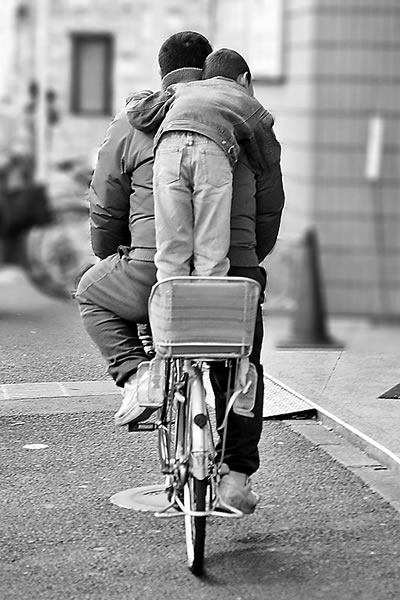
The demographic of utility cyclists in countries where it is prevalent is broader than that which drives cars. It includes what we call 'vulnerable' road users. Children, women of all ages, the elderly - not to mention 'ordinary folks'
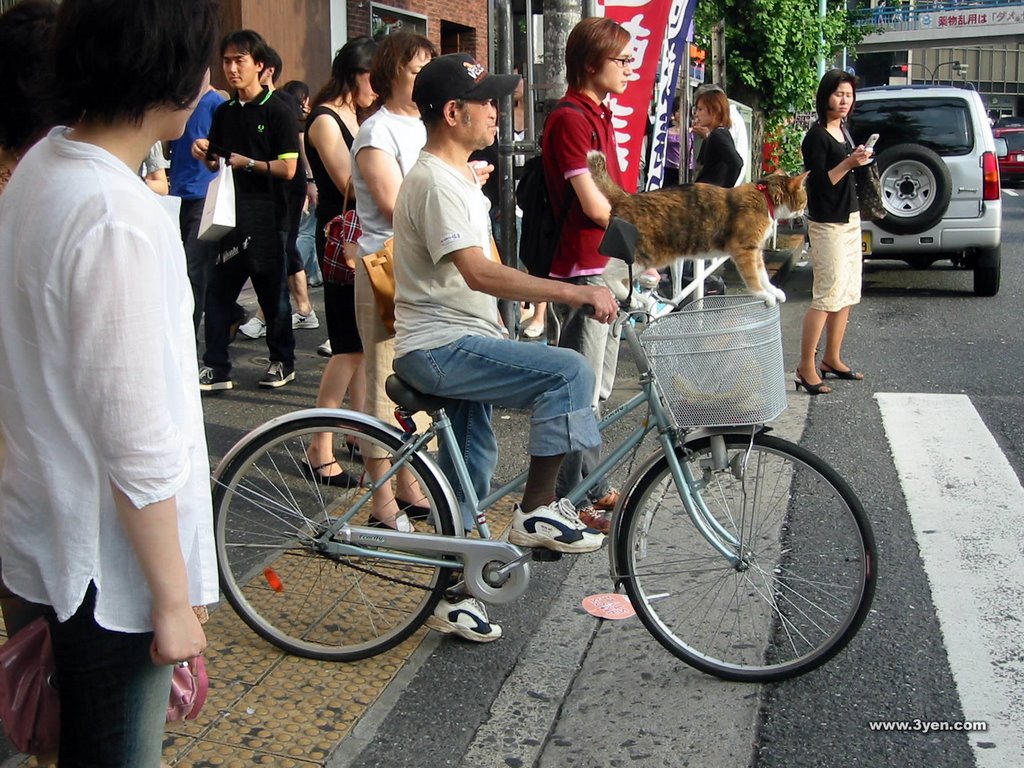
Typically, utility bicycles are made so that the rider sits in an upright position,and are fitted with baskets, carriers or pannier bags to carry stuff, a bell to warn pedestrians ( with whom they often share space), twist grip gear-shift, internal hub-gears, internal hub dynamo-powered lights with a capacitor to keep the lights going at the lights, mudguards so you can ride in the rain, a chain-guard so you can ride in your work clothes.
In countries where utility cycling is prevalent, mountain bikes, road racers, helmets and lycra are rarely seen . Lockup facilities for bicycles and 'after-ride' shower facilities are rarely provided and are not pre-conditions for utility cyclists.
A description of utility cycling article on Wikipedia:

My own experience...
I used both utility bikes and mountain bikes to ride around town and on long distance rides during my ten years in Japan. I would never go back to a mountain bike.
The utility bicycles I rode in Japan (which until 2010 were unavailable in New Zealand) allowed me to sit in a comfortable upright position and control the bell, braking and twist shift gearing with one hand, I could carry all my stuff for teaching in the front basket and all my shopping in the back basket and cruise along the pavements with an umbrella if it was raining or snowing through puddles (mudguards) in my teaching clothes (chain guard ).
I could cover distances of up to about 6 kms in the urban area of Kyoto in a shorter time than it would take by car and I didn't have to look for or pay for parking and I could easily lock the back wheel (now you can do it with a remote control!) with the fixed snap lock around the back wheel and put my umbrella in its stand fixed to the front forks.
I never had a problem with or had to do any maintenance on my 7 speed internal hub gearing systems, which are smoother and much more appropriate to the urban environment than dérailleur gears because you can change gears while you're stationary (without having the chain fall off as often happens with mountain bikes) and while you're riding in tricky situations and at night my front and rear internal hub dynamo powered lights came on automatically when the low light level sensor kicked in. I didn't have to worry about changing batteries or getting my lights stolen,- as you don't have to if you drive a car.
Most of this technology has been around for ages and has been perfected over the years but is still virtually unobtainable here in New Zealand. Apparently "Because the market doesn't want it" ( !!! )